
Proven Website Design for Service Businesses in Sydney
Introduction
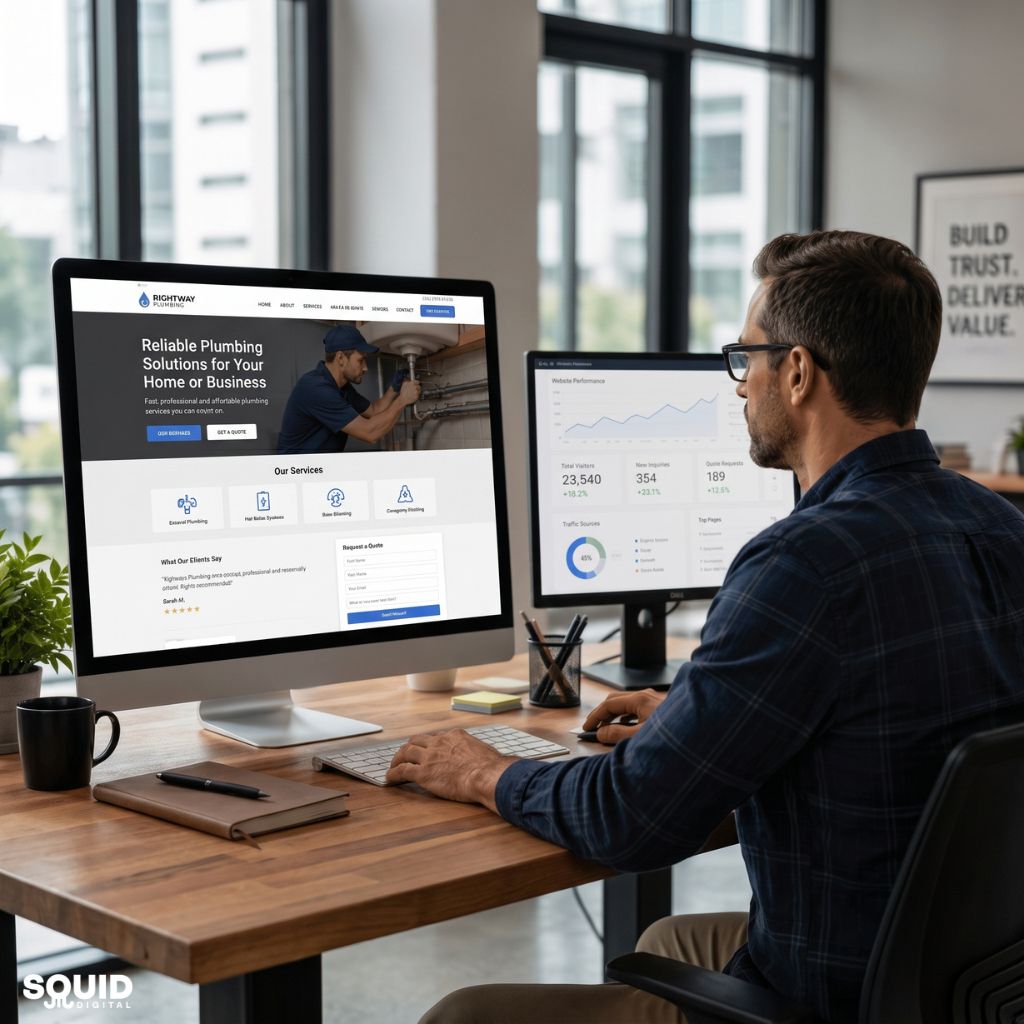
Website design for service businesses plays a major role in how customers discover, trust, and contact local companies online. In a competitive market like Sydney, a professional website is no longer just a digital brochure. It directly affects visibility, credibility, and lead generation.
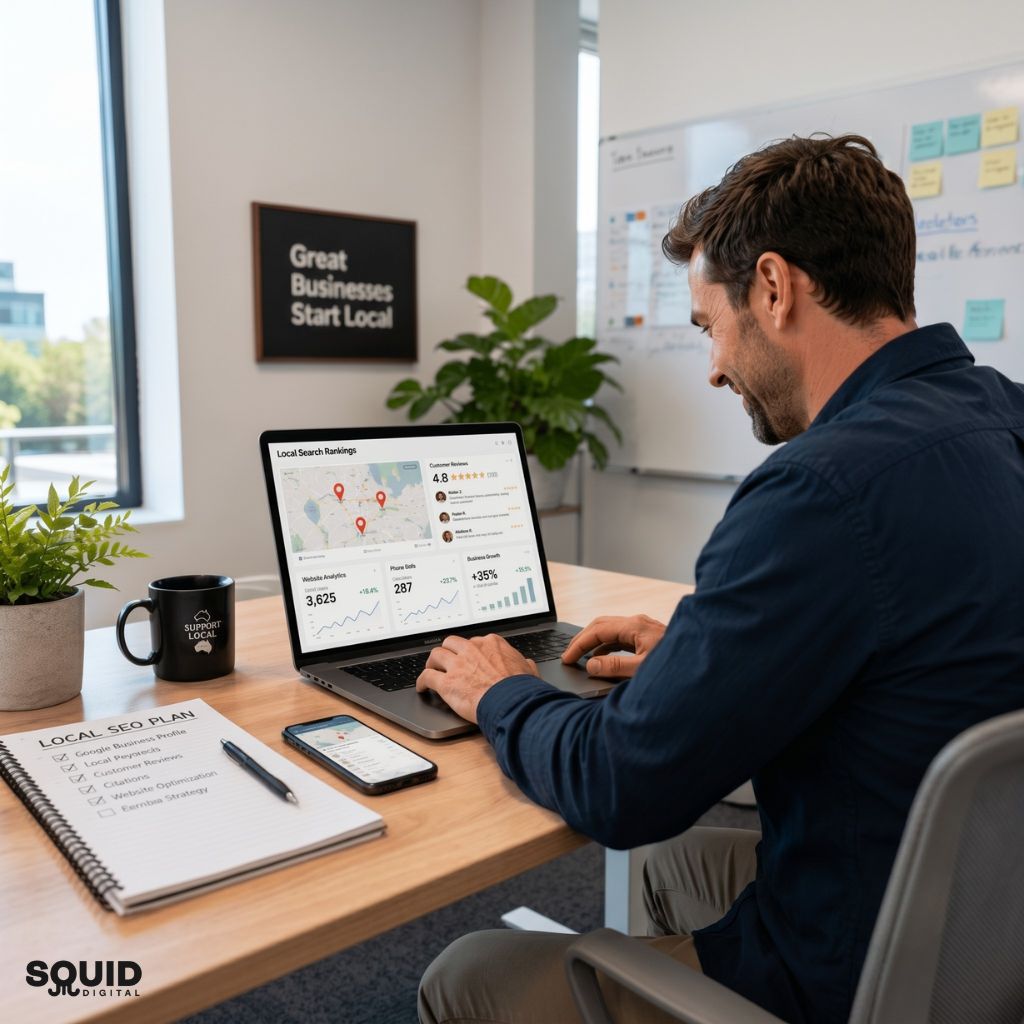
Many small businesses invest in advertising or social media but overlook the performance of their website itself. A slow, outdated, or confusing website can reduce enquiries even when traffic levels are strong. On the other hand, a well-structured website can improve Google rankings, increase conversions, and help businesses stand out in crowded local markets.
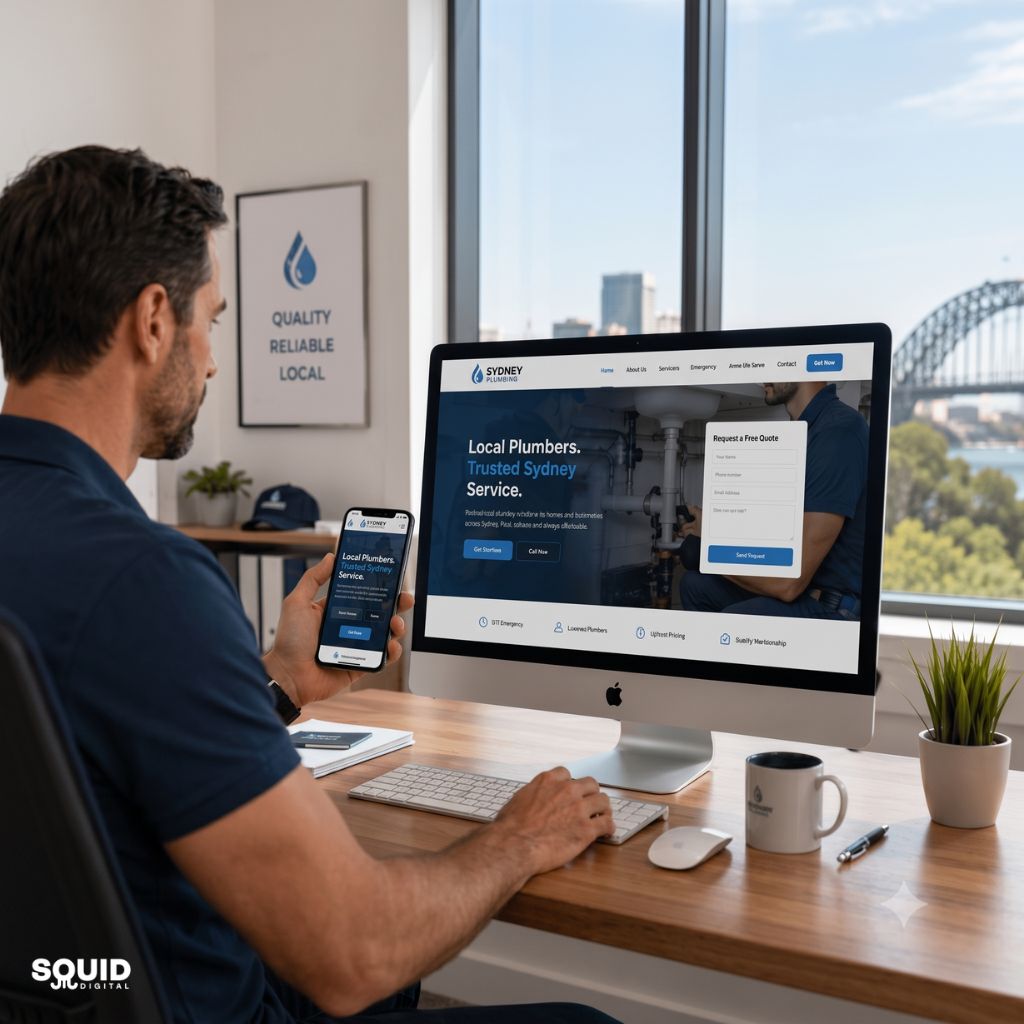
Modern customers expect fast-loading pages, mobile-friendly layouts, and clear information before making contact. Whether someone is searching for a plumber in Parramatta, a cleaner in Bondi, or a physiotherapist in the CBD, first impressions happen online.
This guide explains what effective website design for service businesses looks like, why it matters, and how Sydney businesses can build websites that support long-term growth.
What Website Design Means for Service Businesses
Website design for service businesses focuses on usability, trust, and conversions rather than visual appearance alone. The goal is to help visitors quickly understand services, trust the business, and take action.
More Than Just Visual Appearance
A visually attractive website is useful, but design should also support business outcomes. Many service businesses make the mistake of prioritising flashy animations or complex layouts over functionality.
Effective website design includes:
- Clear navigation
- Easy-to-read content
- Fast loading speed
- Strong mobile usability
- Simple enquiry pathways
For service-based businesses, the website should guide users towards calling, booking, or requesting a quote.
Key Goals of a Service Business Website
Most successful service business websites aim to achieve several practical outcomes:
- Build trust within seconds
- Explain services clearly
- Improve local search visibility
- Generate enquiries consistently
- Reduce customer confusion
Unlike eCommerce websites, service businesses often rely heavily on credibility and local reputation. Website structure plays a direct role in communicating both.
Common Types of Service Businesses That Benefit
Nearly every local service industry benefits from stronger website design, including:
- Trades and maintenance businesses
- Dental and medical clinics
- Accountants and legal firms
- Fitness and wellness providers
- Cleaning companies
- Tourism operators
- Real estate agencies
Businesses in competitive Sydney suburbs especially benefit from improved user experience and local SEO integration.
Why Good Website Design Directly Impacts Business Growth
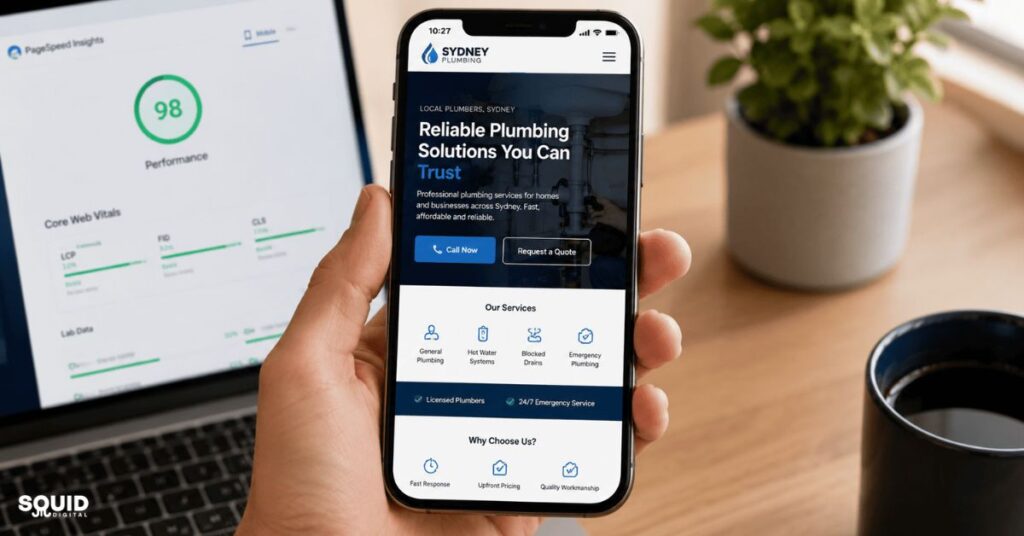
Good website design improves customer trust, search visibility, and lead generation. Businesses with well-optimised websites often convert more visitors without increasing advertising spend.
First Impressions Shape Customer Decisions
Users often decide whether they trust a business within a few seconds of landing on a website. Poor layouts, outdated visuals, or slow loading speeds can immediately reduce credibility.
Common warning signs include:
- Cluttered layouts
- Difficult navigation
- Broken mobile layouts
- Low-quality images
- Unclear messaging
Customers comparing multiple providers typically choose the business that feels easiest and safest to contact.
How Website Design Supports Marketing Performance
Website performance affects SEO, paid advertising, and conversion rates simultaneously.
Google increasingly prioritises user experience signals, including:
- Mobile responsiveness
- Page speed
- User engagement
- Navigation clarity
A poorly designed website can also reduce the effectiveness of Google Ads campaigns by lowering landing page quality and conversion rates.
The Link Between Trust and Conversion
Trust-building elements strongly influence customer behaviour. Service businesses should include:
- Google reviews
- Testimonials
- Real project photos
- Staff profiles
- Licences or certifications
- Clear contact information
These elements reduce hesitation and create confidence before direct contact occurs.
Real-World Example: Local Sydney Plumbing Business
A plumbing company in Western Sydney redesigned its outdated website after experiencing declining enquiry rates.
Situation
- Slow mobile performance
- Generic homepage messaging
- No dedicated service pages
- Weak local SEO setup
Action
- Improved mobile responsiveness
- Added suburb-focused service pages
- Simplified navigation
- Included trust badges and reviews
Outcome
Within several months, the business experienced:
- Higher Google visibility
- Increased mobile enquiries
- Longer average time on site
- Better conversion rates from Google Ads traffic
This reflects a broader industry trend where user experience and SEO now work closely together.
Essential Features Every Service Business Website Should Include
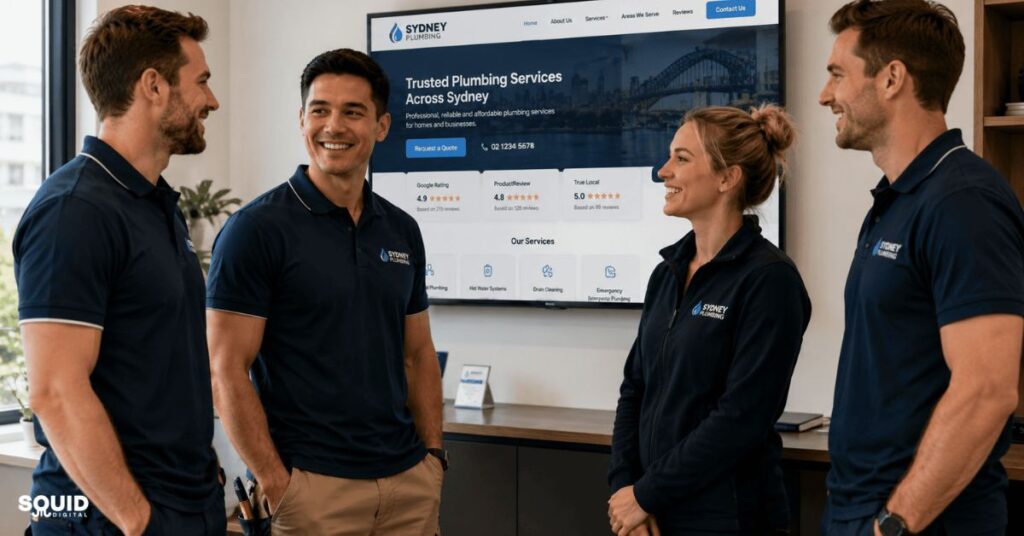
Certain website features consistently improve performance for service businesses. These features support both customer experience and search visibility.
Core Website Elements
Every modern service business website should include:
- Mobile-responsive design
- Fast loading pages
- Clear navigation menus
- Dedicated service pages
- Prominent contact buttons
- Simple enquiry forms
Customers often browse websites quickly on mobile devices. Reducing friction improves conversion opportunities.
Trust-Building Features
Trust signals help reassure visitors before they contact the business.
Useful trust elements include:
- Customer testimonials
- Google review integration
- Before-and-after galleries
- Staff introductions
- Local business details
- Industry certifications
Experience shows that authentic photos and genuine customer reviews typically outperform generic stock imagery.
SEO-Focused Website Components
SEO-friendly design supports better long-term visibility.
Important elements include:
- Structured headings
- Optimised title tags
- Internal linking
- Local keyword targeting
- Fast page speed
- Location-based service pages
Sydney businesses targeting multiple suburbs often benefit from dedicated landing pages for each service area.
Recommended Website Feature Checklist
Before launching or redesigning a website, businesses should confirm the following:
- Click-to-call phone buttons
- SSL security certificate
- Contact page with map
- Google Analytics setup
- Conversion tracking
- FAQ section
- Clear calls-to-action
- Mobile optimisation
Quick Recap
Strong service business websites combine:
- User-friendly design
- Fast technical performance
- Trust-building content
- SEO-friendly structure
- Clear conversion pathways
Website Design Comparison for Small Service Businesses
he difference between poor and effective website design is often practical rather than aesthetic.
| Website Element | Poor Design Approach | Effective Design Approach |
|---|---|---|
| Homepage | Generic messaging | Clear local service offer |
| Navigation | Too many menu items | Simple user-focused structure |
| Mobile Experience | Difficult to use | Fast and responsive |
| Contact Process | Hidden contact details | Visible CTA buttons |
| Service Pages | Thin content | Detailed service information |
| Images | Stock photos only | Real business imagery |
| SEO Setup | No local optimisation | Sydney-focused keywords |
Why Simplicity Often Performs Better
Simple websites frequently outperform overly complex designs.
Customers usually want quick answers to practical questions:
- What services are offered?
- Where is the business located?
- How much experience does the company have?
- How can they make contact?
Reducing unnecessary distractions improves usability and helps visitors move through the website more naturally.
A Practical Framework for Building an Effective Service Business Website
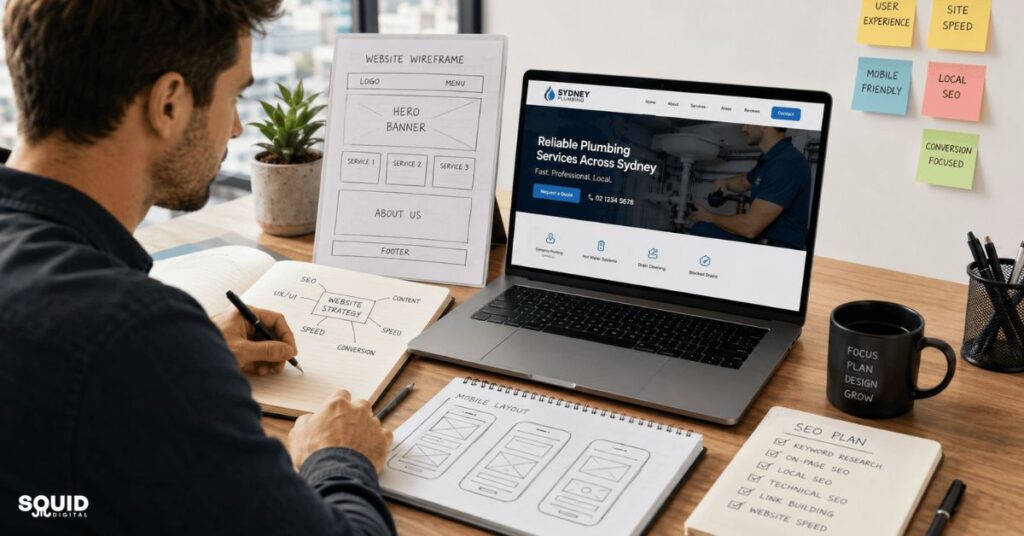
Building a high-performing website becomes easier when businesses follow a structured process. This helps align design decisions with real business goals.
Step 1 – Define Business Goals
Start by identifying the website’s primary purpose.
Common goals include:
- Generating phone calls
- Increasing quote requests
- Driving bookings
- Improving local visibility
Clear objectives influence page structure, calls-to-action, and content priorities.
Step 2 – Understand Customer Search Intent
Businesses should understand how customers search online.
Search intent may include:
- Emergency services
- Price comparisons
- Local providers nearby
- Informational research
For example, someone searching “emergency electrician Sydney” behaves differently from someone searching “best electrician for office fit-outs”.
Step 3 – Structure Pages Around Services
Create dedicated pages for core services instead of combining everything into one page.
A stronger structure may include:
- Electrical repairs
- Switchboard upgrades
- Commercial electrical services
- Emergency call-outs
This improves SEO relevance and user clarity.
Step 4 – Optimise for Mobile and Speed
Mobile traffic now dominates many local industries. Slow websites reduce conversions significantly.
Practical improvements include:
- Compressing large images
- Minimising unnecessary plugins
- Using fast hosting
- Reducing excessive animations
Step 5 – Add Conversion-Focused Elements
High-performing websites guide users towards action.
Important conversion elements include:
- Clear headlines
- Visible phone numbers
- Strong call-to-action buttons
- Customer reviews
- Simple enquiry forms
Step 6 – Track and Improve Performance
Website optimisation should continue after launch.
Useful tools include:
- Google Analytics
- Heatmaps
- Conversion tracking
- SEO reporting tools
Businesses that regularly improve their websites often outperform competitors over time.
Common Website Design Mistakes Sydney Service Businesses Make
Many website problems come from prioritising appearance over usability and strategy.
Prioritising Style Over Usability
Overdesigned websites can create confusion.
Common issues include:
- Excessive animations
- Hard-to-read fonts
- Poor contrast
- Cluttered layouts
Clean design usually creates a better customer experience.
Ignoring Mobile Users
Mobile usability is critical for local service businesses. Many enquiries happen directly from smartphones.
Common mobile mistakes:
- Small buttons
- Slow loading times
- Overlapping text
- Difficult navigation
Weak SEO Foundations
Some websites look visually strong but perform poorly in search results.
Frequent SEO issues include:
- Missing local keywords
- Duplicate content
- Weak heading structures
- Thin service pages
Unclear Calls-to-Action
Customers should immediately know what to do next.
Weak CTAs often:
- Use vague wording
- Appear too late on the page
- Blend into the design
Outdated Content and Branding
Outdated websites reduce trust.
Businesses should regularly update:
- Contact details
- Service information
- Staff photos
- Customer reviews
- Portfolio examples
Quick Recap
Avoiding these mistakes improves:
- Customer trust
- SEO performance
- Mobile usability
- Conversion rates
How Website Design Supports Long-Term SEO and Local Visibility
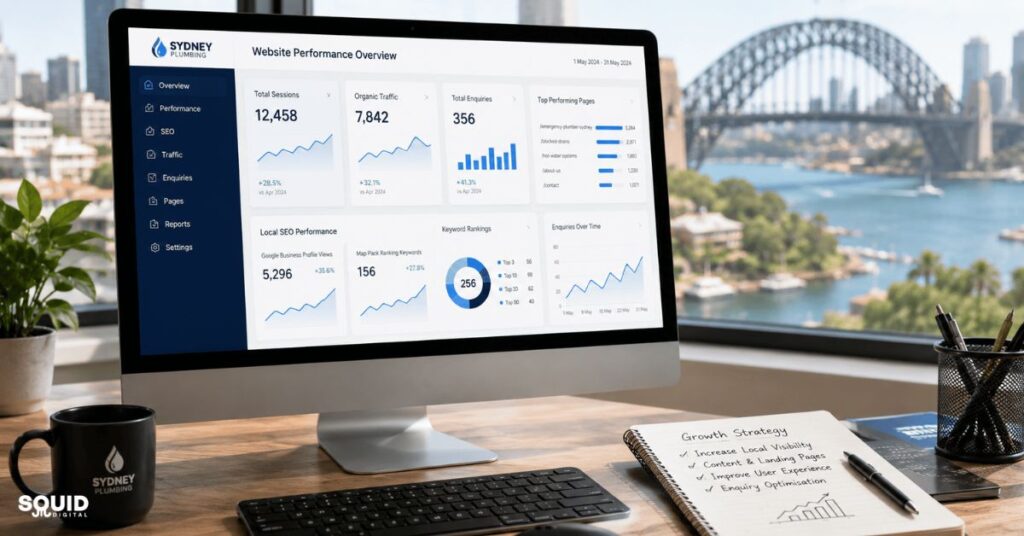
Website design and SEO are closely connected. Strong technical structure supports better long-term visibility in Google search results.
The Relationship Between UX and SEO
Google increasingly rewards websites that provide positive user experiences.
Important signals include:
- Time on site
- Mobile usability
- Navigation clarity
- Page speed
Websites that frustrate users often struggle to maintain strong rankings.
Local SEO Advantages for Sydney Businesses
Local optimisation helps service businesses appear in suburb-based searches.
Effective local SEO strategies include:
- Suburb-targeted service pages
- Google Business Profile integration
- Local business schema
- Consistent contact information
Businesses targeting multiple Sydney regions often benefit from localised content strategies.
Content That Strengthens Authority
High-quality content supports both SEO and customer trust.
Useful content types include:
- Detailed service pages
- Educational blog articles
- FAQs
- Case studies
- Project galleries
This also improves visibility in AI-generated search results and answer engines.
GEO and AI Search Readiness
Generative Engine Optimisation (GEO) is becoming increasingly important.
AI systems prefer content that is:
- Clearly structured
- Easy to scan
- Factually direct
- Semantically relevant
Definition-style explanations, concise answers, and organised headings improve extraction potential for AI search platforms.
Frequently Asked Questions About Website Design for Service Businesses
How much does website design cost for a small service business in Sydney?
Costs vary depending on complexity, features, and SEO requirements. Small business websites in Sydney commonly range from basic brochure-style websites to more advanced lead-generation platforms.
What pages should a service business website include?
Most service business websites should include:
- Homepage
- About page
- Individual service pages
- Contact page
- FAQ section
- Service area pages
Additional blog content can further support SEO.
Why is mobile-friendly website design important?
Mobile-friendly design improves usability, SEO performance, and conversions. Many customers search for local services directly from smartphones.
How long does it take to build a service business website?
A standard website project may take several weeks depending on content preparation, revisions, and functionality requirements.
Does website design affect Google rankings?
Yes. Google considers user experience, mobile performance, page speed, and site structure when ranking websites.
Should service businesses invest in SEO together with website design?
Yes. Combining SEO with website design creates stronger long-term visibility and improves lead generation opportunities.
What is the best platform for a service business website?
Platforms like WordPress are commonly used because they support flexibility, SEO optimisation, and scalable growth.
How often should a business website be updated?
Businesses should regularly review content, security, performance, and SEO updates to keep websites effective and trustworthy.
Building a Website That Supports Long-Term Business Growth
Effective website design for service businesses goes beyond appearance. A strong website improves trust, supports SEO, and helps generate consistent enquiries over time.
For Sydney businesses competing in crowded local markets, user experience and mobile performance now play a major role in customer decisions. Clear messaging, fast loading speeds, and strong local SEO foundations all contribute to better online visibility and conversion rates.
Businesses that treat their website as an ongoing business asset rather than a one-time project are often better positioned for long-term growth.
Improving Your Website One Step at a Time
Even small website improvements can create meaningful results over time. Reviewing mobile usability, clarifying service pages, and improving calls-to-action are practical starting points for most service businesses.
Rather than aiming for a perfect redesign immediately, focus on gradual improvements that make the website easier for customers to use, trust, and engage with.